
“A guy came to Fight Club for the first time, his ass was a wad of cookie dough. After a few weeks, he was carved out of wood.”
– Fight Club (1999)
“No dress rehearsal. This is our life.”
– The Tragically Hip (Ahead by a Century)
Distance cycled: 1124 km
Number of bonsai trees seen: Zero
Number of martial arts fights: Also zero
Greetings, my excellent friends. We’re at sea! I’m writing to you from the deck of the ferry “Silver Eight”, and we’re enroute to the Japanese mainland.
We’ve been busy. With over a thousand kilometers under our tires, we’ve seen a substantial amount of Hakkaido. We’ve seen the highlands and the lowlands. Our fitness level has improved considerably. We’re stronger riders than we were a few weeks ago.
The other night, in one of the mountainous regions of the island, we slept in a free camping area next to the base of a ski lift. Across the road was a Club Med resort. I had no idea Club Med still existed. The name sounds like something that would have been referenced on “All In The Family”, and had its heyday back in the 60’s. But apparently, they live on, and if you want to spend the night in that resort during ski season, it will set you back around fifty thousand yens of money. I’m not sure if that includes breakfast or not….
Rachel actually walked right in the front door of the place, just dripping in sweat and probably not smelling the best.
“Can I help you?”, the lady at the front desk asked in perfect english.
“Yeah. Where’s your gift shop at?”, Rachel asked.
5 minutes later, Rachel emerged from the Club Med, victorious, with 4 tall cans of cold beer!
I propose that Rachel’s likeness be captured in bronze and immortalized as a statue, just outside the front doors, cold brewskis in hand. I mean, come on, people have had statues cast in their likeness for a heck of a lot less. But, how did we come to find ourselves squatting in the woods, drinking cold Sapporo Classics at the base of a chair lift anyways? Let’s rewind a couple weeks.
We started riding in Wakkanai after taking the train up from Sapporo.
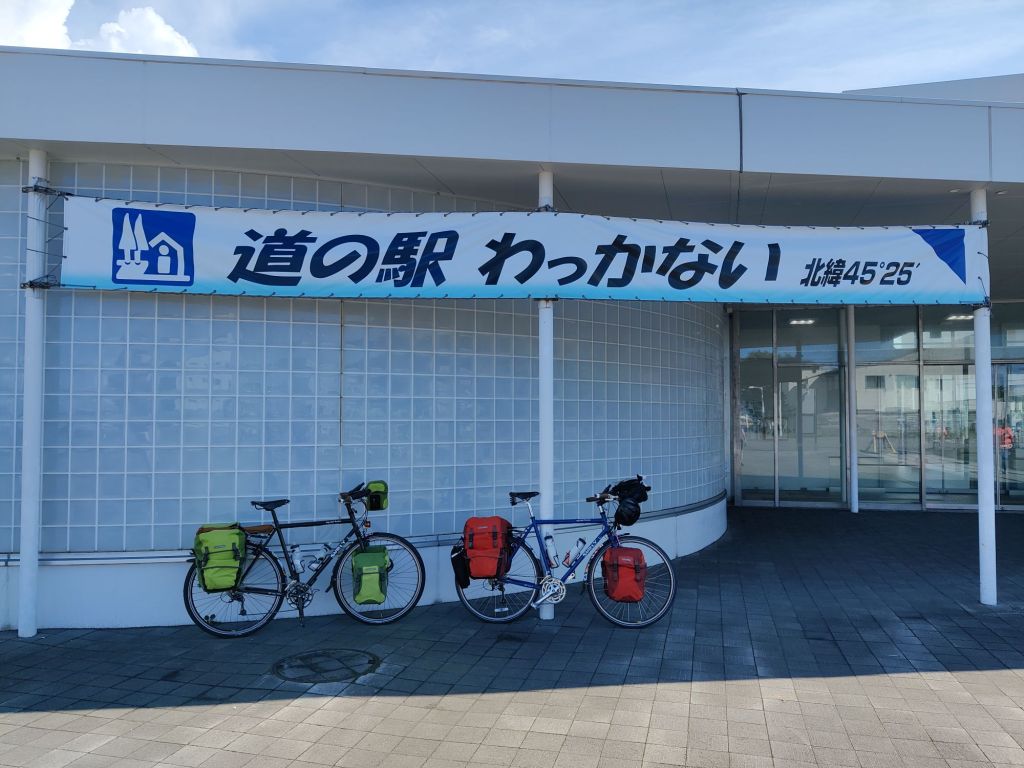
Wakkanai is the northern terminus of the Hokkaido Railway Company. The end-of-the-line, as it were. We were pretty close to Russia at this point. In fact, some of the street signs were in Japanese, English and Russian. It is possible to venture further north and still remain in Japan, so we hopped on a ferry to take us over to Rishiri island. Part of the reason for us touring in this part of the world was to gain a tiny bit of insight into what it is like to be Japanese. For example, I never imagined I’d be on a large ferry boat that had zero chairs.
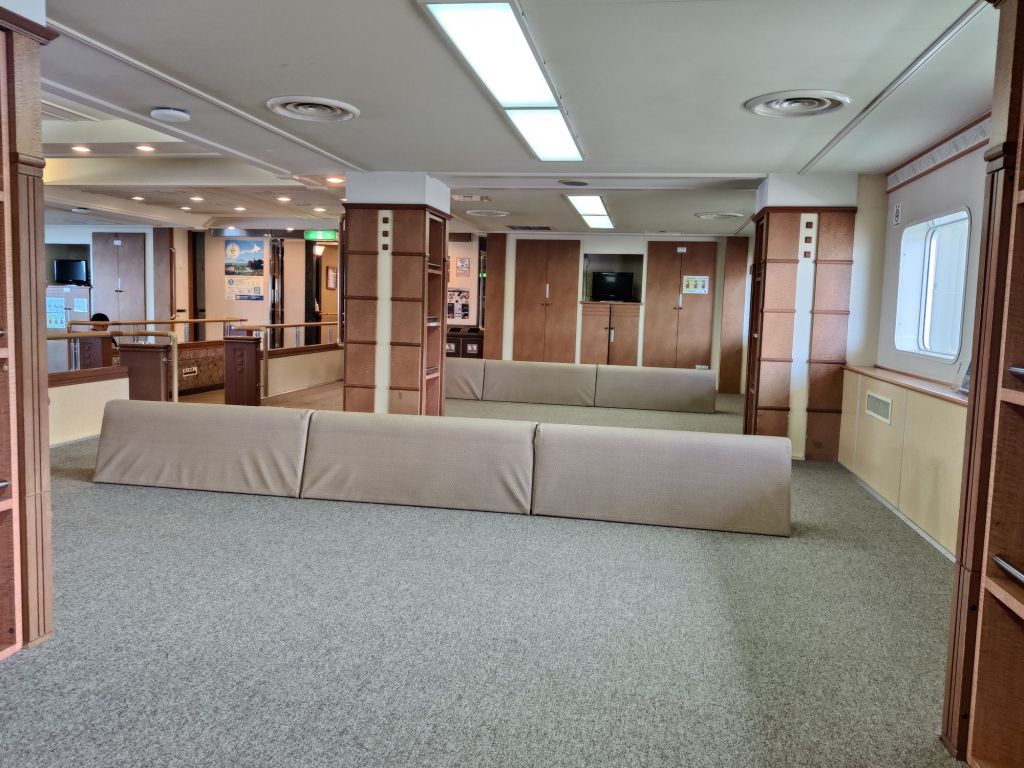
All the passengers just took their shoes off and kinda sprawled out on the floor. As a Westerner, it was strange to see.

Rishiri is a volcanic island and has an impressive looking peak at its center that tops out around 1700 meters.
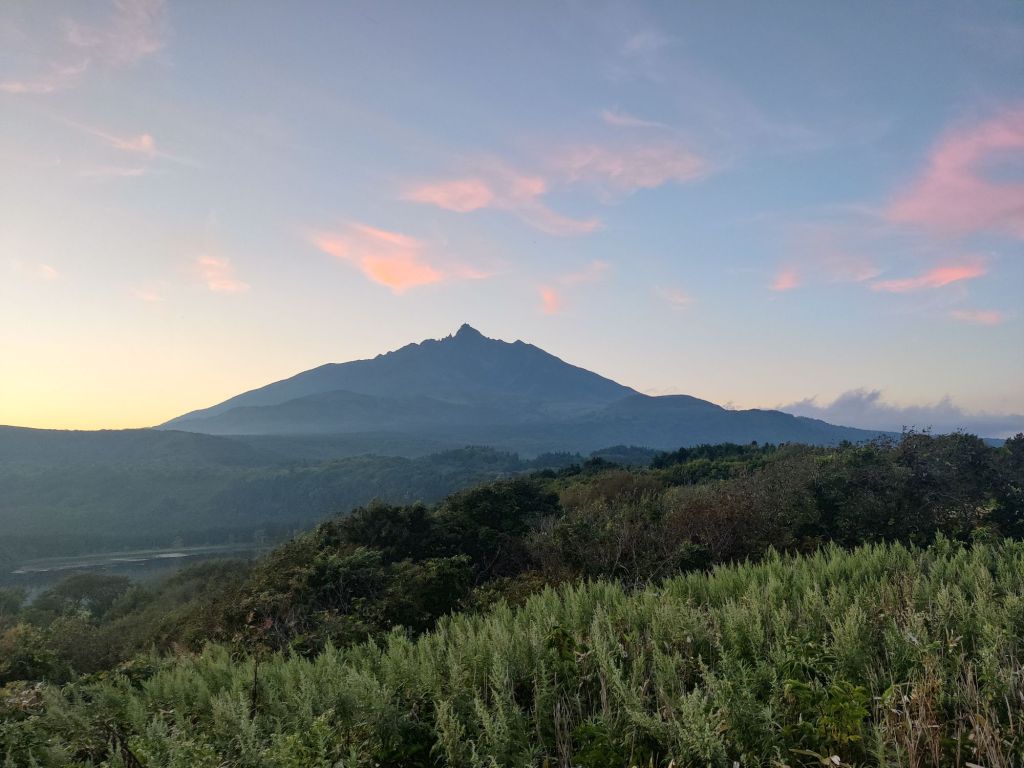
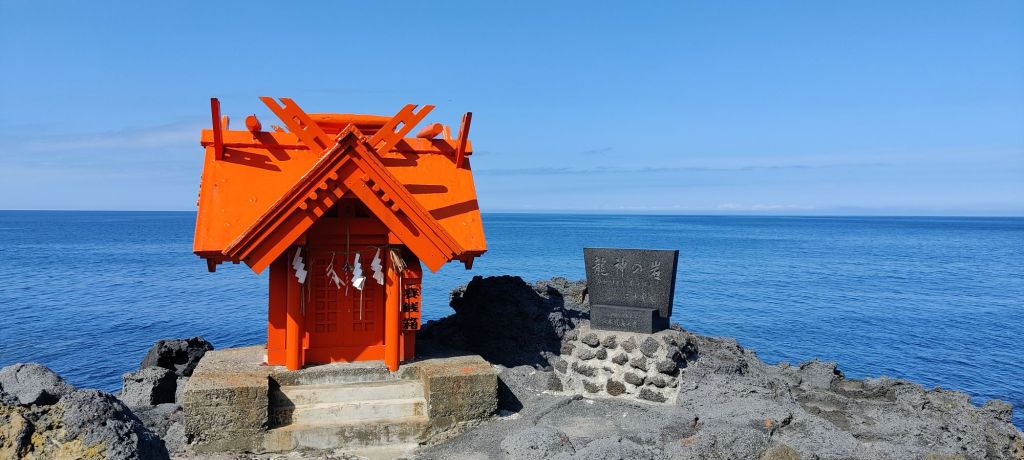
We rode the circumference of the island and camped out for the night under a beautiful starlit sky. And we saw some cool things as we rode, like this miniature shrine dedicated to a sea dragon.
Once we made it back from Rishiri island, we cycled up to Cape Soya, which Japan claims as its northernmost point. This was very similar to John o’ Groats in Scotland, though the Japanese have a much more impressive monument in place.
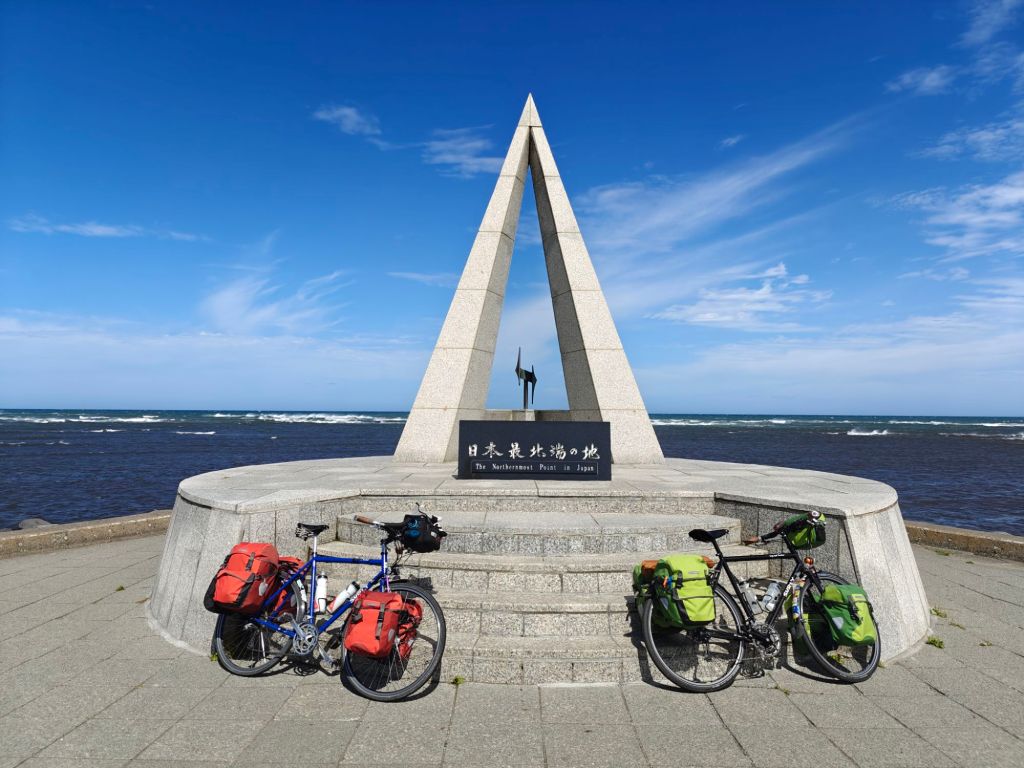
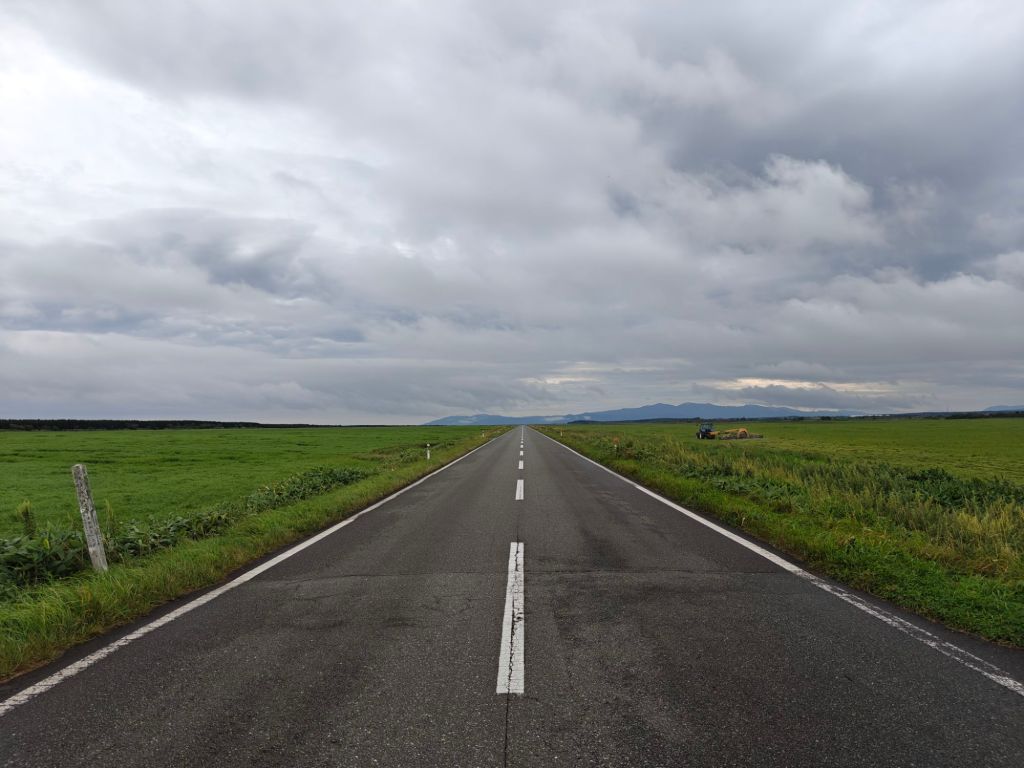
Leaving Cape Soya we headed south, with a general plan to circle Hokkaido in a clockwise direction. Riding along the coast generally meant gentle hills, so the going wasn’t too hard, although the headwinds have been a bitch. For the most part, the prevailing winds in Japan are out of the southwest; the exact same direction that we’re going. What this means is that for about 80% of our days on the bike, we’ll be riding into the wind. Obviously, less than ideal. In a perfect world we would have started this trip in the spring, headed north and had the wind at our backs. Life is seldom perfect however, so we’re heading south in the fall. The scenery along the coast is still pretty spectacular though, even if we’ve got the wind in our face.
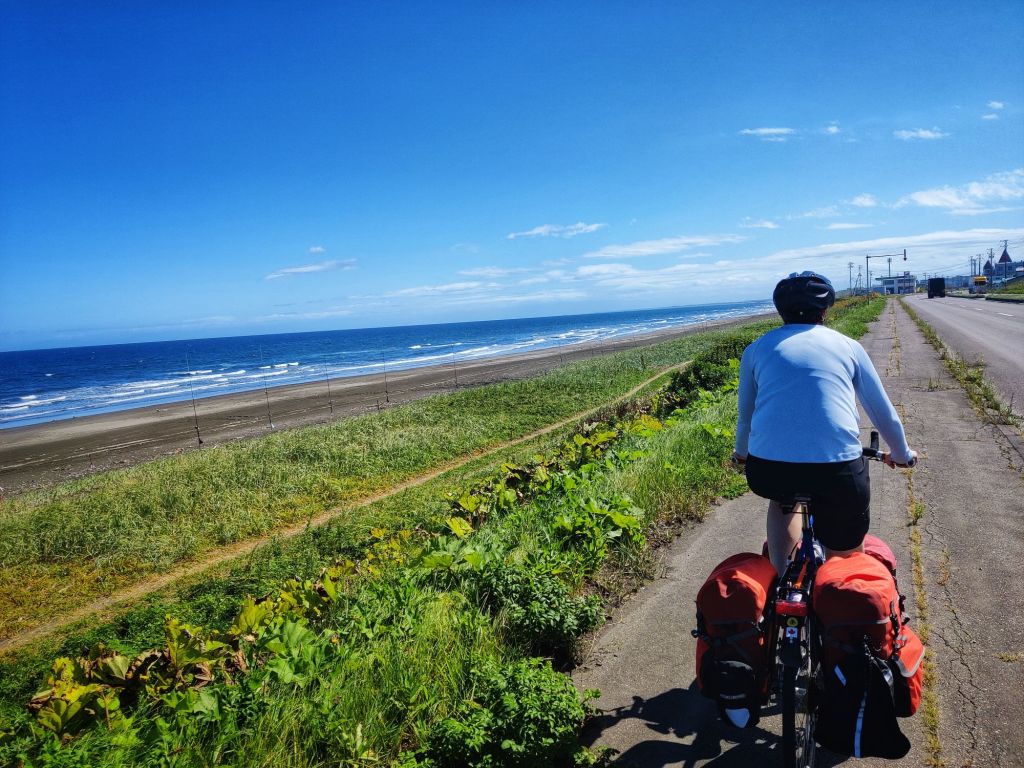
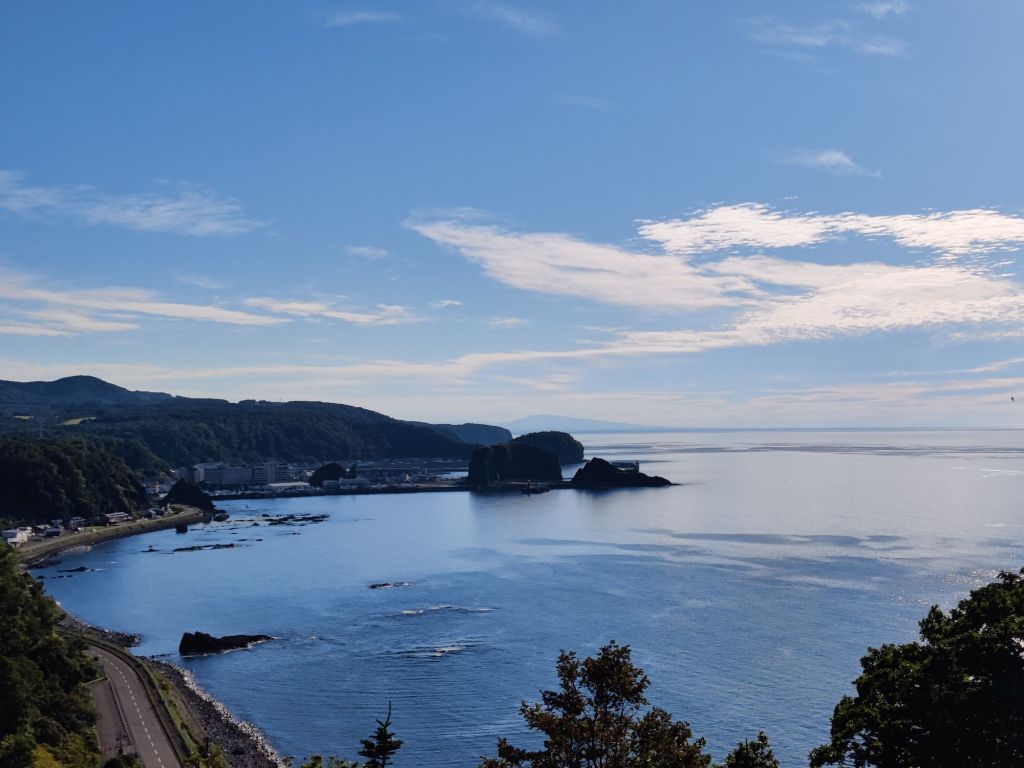
I must admit, I’ve held some pre-conceived notions, stereotypes and clichés about Japan. In my defence, I come by it honestly. I was born in the 70s and grew up in the 80s. I’m the textbook definition of a Generation X child. My exposure to Japan consisted of The Karate Kid, ninja movies, and Street Fighter video games. Before coming to Japan I had reasonable grounds to believe that the entire country would look like Mr. Miyagi’s backyard: perfectly manicured and full of bonsai trees. So far, I have seen very little of that. There’s been no kung-fu fighting. No wax-on/wax-off. Nobody booting each other in the head with the crane technique. Matter of fact, rural Hokkaido is very much like the rural area of Nova Scotia I grew up in. Nothing out of the ordinary. People fish and people farm, and life goes on.
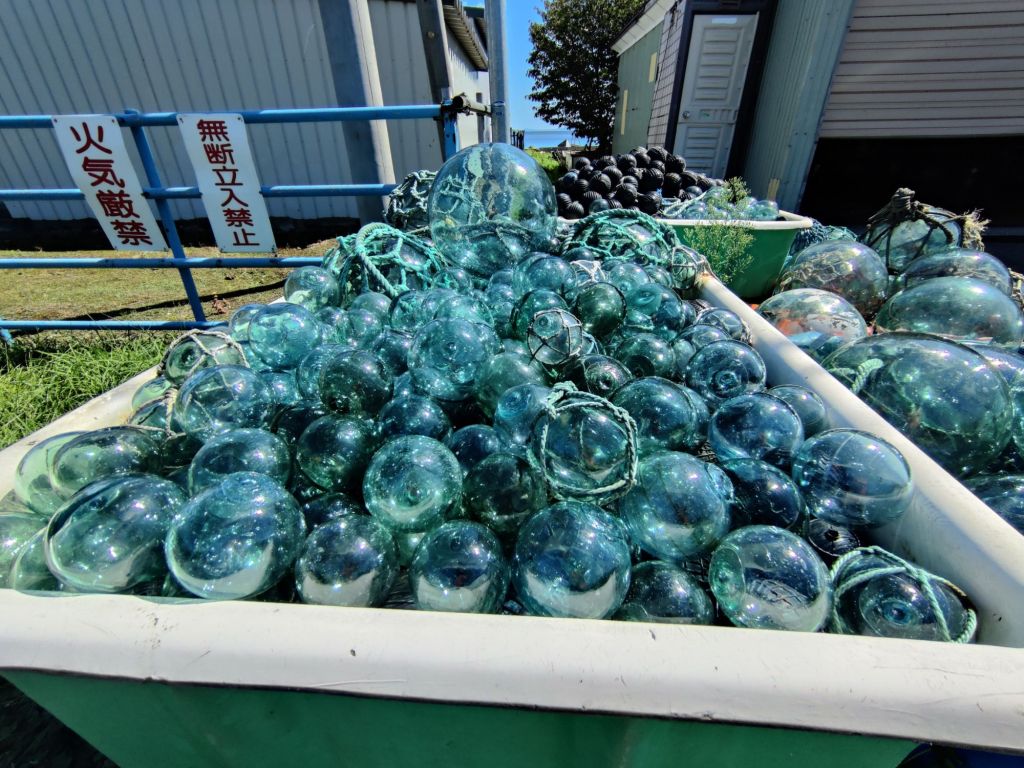
Some things are different, though. For example, Japan has a strange relationship with gambling. Technically, it’s forbidden, yet they have this game called Pachinko, which is a cross between pinball and a slot machine. You don’t win money directly, but you win tokens which can then be sold for money, so, yeah, it’s gambling. It’s a massive business in Japan, too, worth billions per year. What was strange was the number of abandoned pachinko parlours we came across in small towns. Buildings which at one point would have been glitzy and very appealing to a particular demographic, have just seemingly ceased to exist. Left behind for nature to slowly reclaim.
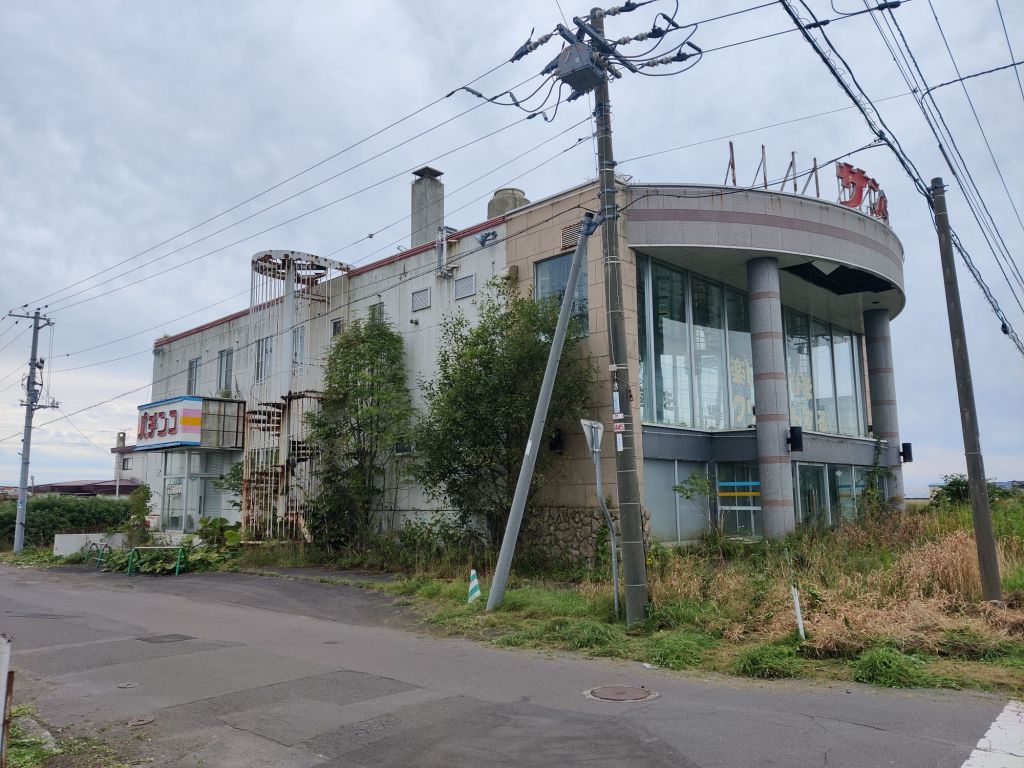
It’s been a common theme in many of the towns we passed through. Places that looked like they peaked 25 years ago and have been in steady decline since.

Some days it has felt like we’re travelling through a post-apocalyptic world. I’m not sure if it’s the downturn in the fishing industry that’s caused this or a steady stream of young people leaving Hokkaido for the big cities. It will be interesting to contrast this with what we see on the mainland.
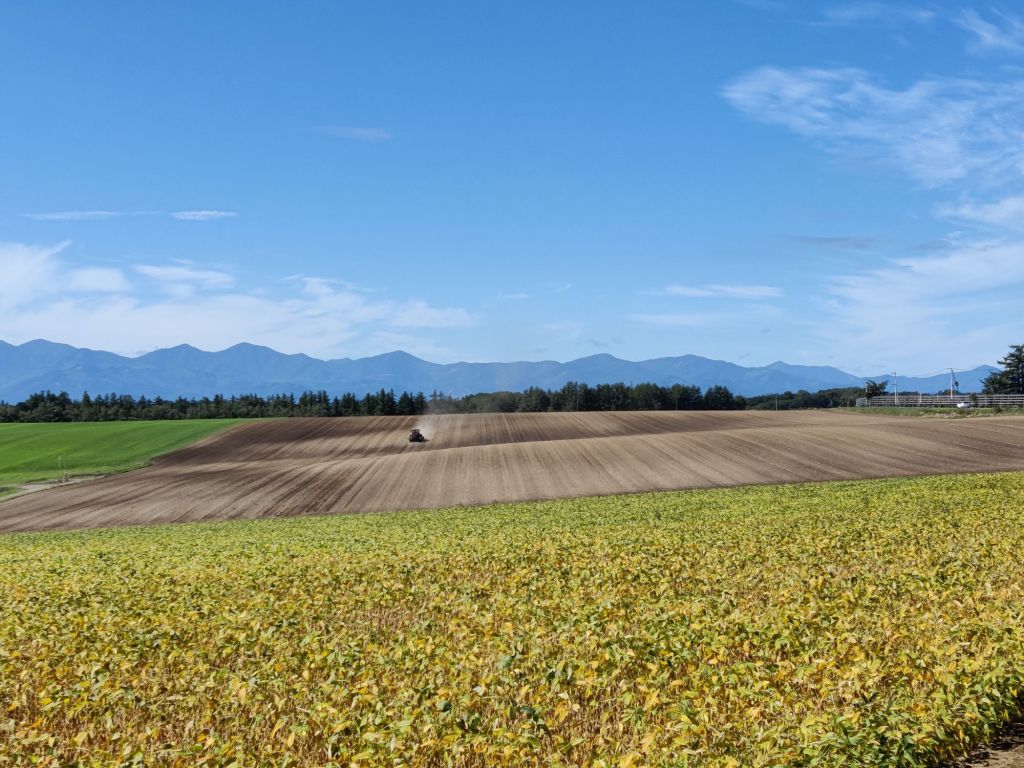
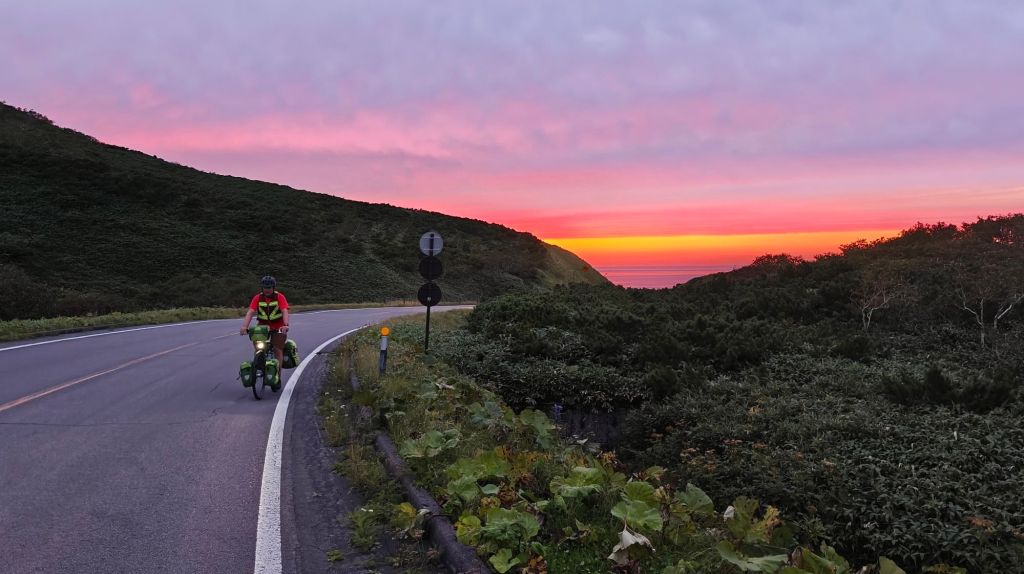
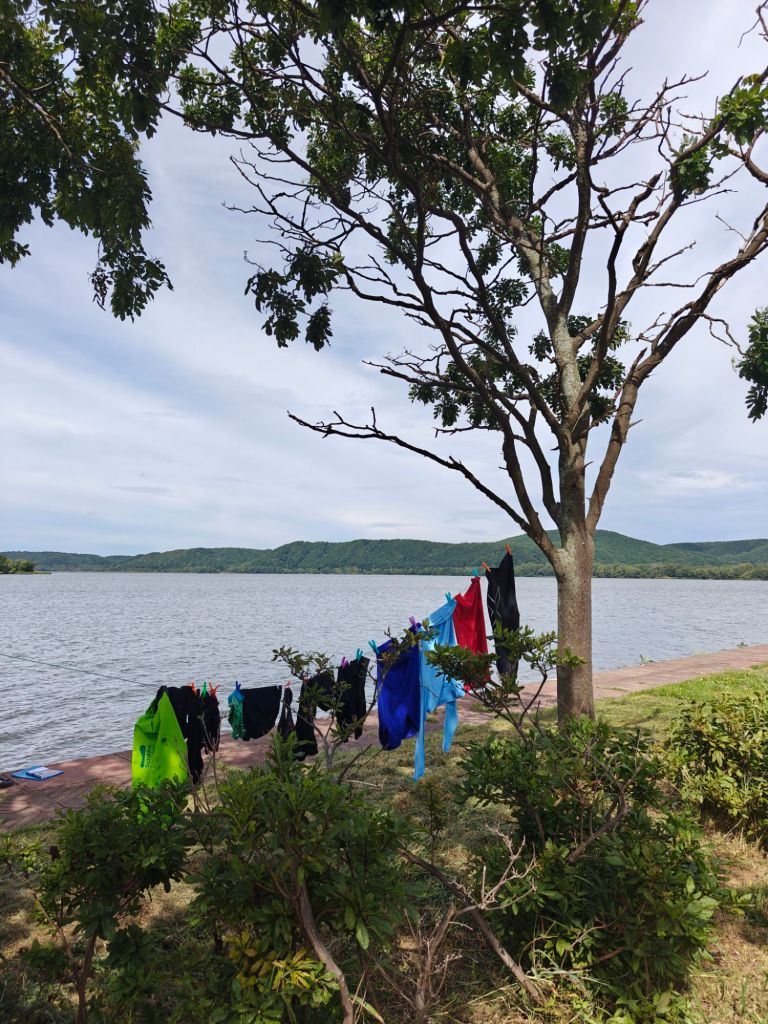
Social-economic considerations aside, we rode through some truly beautiful scenery.


And then we have this…
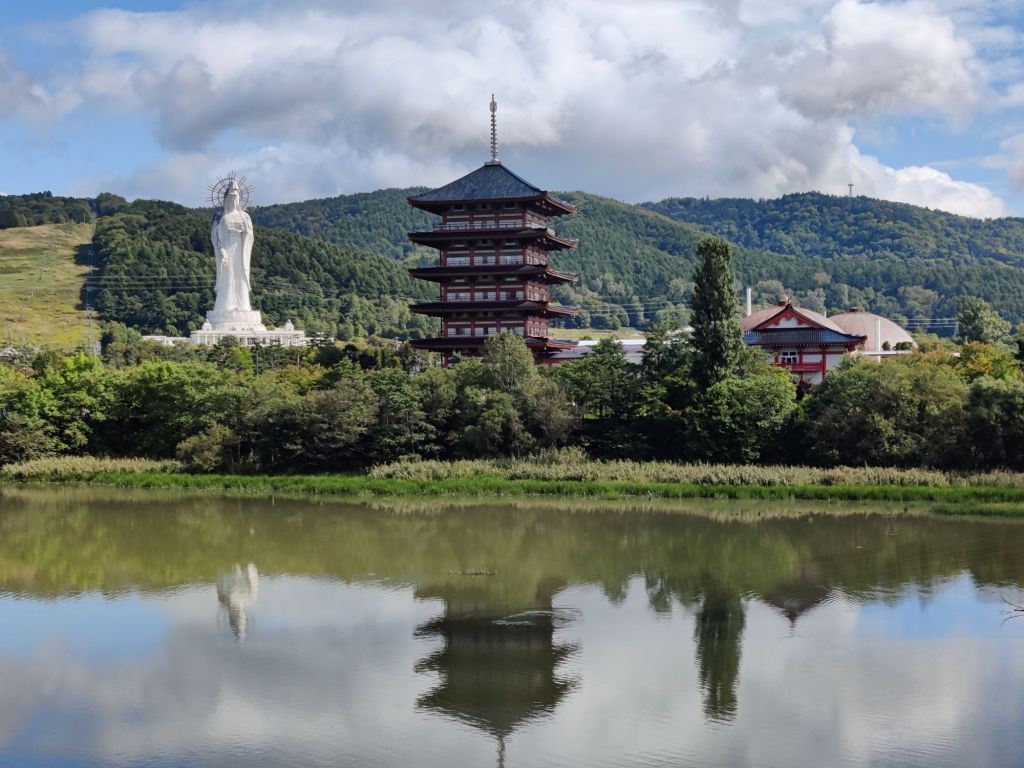
This is the Hokkaido Kannon. It’s a 289′ tall statue of the female form of Avalokiteśvara, a.k.a., “Guanyin”, who is a popular character with the Buddhist folk. We stumbled across it when we passed through the town of Ashibetsu. It was the tallest statue in the world when it was completed in 1989. See, back then, the mayor of Ashibetsu thought it’d be cool to have a big-ass statue in town, so he held a vote to decide who to model the statue after. The options were:
- Guanyin
- Oprah Winfrey
- The Members of Rock Band “ZZ Top”
- Rachel (with cold beers)
Rachel (with beers) was a popular choice – and ZZ Top wasn’t far behind – but eventually Guanyin was crowned the winner. Buddhism over beers. Go figure, eh?
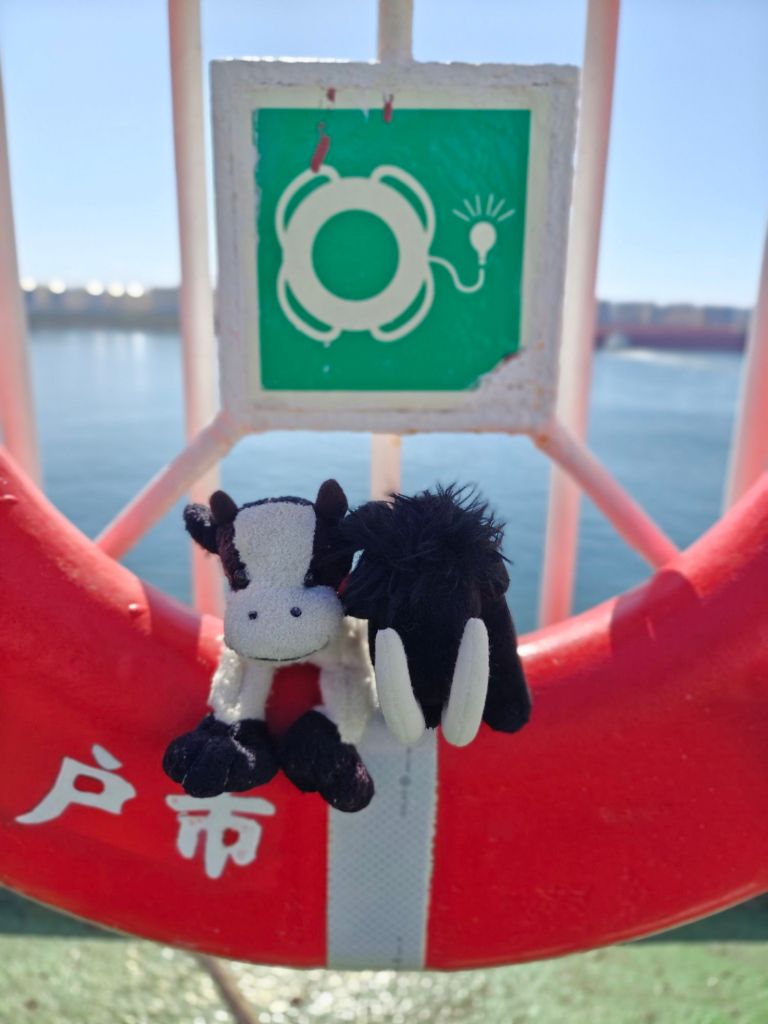
And that, my friends, is all the news that’s fit to report. We’ll soon be on the main island of Japan, so we’ll have to sit down with a couple refreshing beverages and plan the route for phase 2 of our little adventure. I’ll leave you with a snapshot of our two good-luck charms, Moe & Tweak, kicking it on the upper deck of the ferry.
Hugs and kisses,
Rachel & Steve
 2 Canucks in a Tent